
pre-sales consultations in the chat
1-6 PM (GMT+3)


Domain Check:

pre-sales consultations in the chat
1-6 PM (GMT+3)
Domain Check:
So, you have decided to create a full-fledged Internet resource, you've bought disk space (server) and the domain. Perhaps you have already downloaded the content management system and are trying to install it. Before you install the CMS and create your first pages, you will have to perform one more action: link the domain name to the hosting. You will need to do this even if you are buying a domain and disk space from the same company..
Seems counterintuitive?

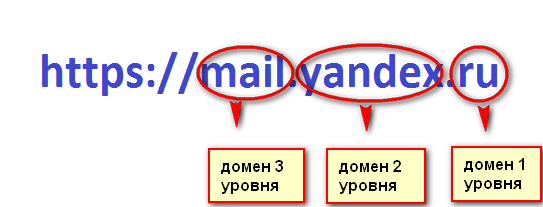
If you have already tried yourself as a webmaster and created a blog or a simple business card site using website builders, there was no necessity to link a domain: you just thought about what name you want, used it during registration, then you created pages, and the resource was immediately displayed in the browser. You have received a third-level domain at your disposal (example: site.netlify.app - "blog name.main domain name.domain zone"). When you are developing a regular resource that will be hosted on a server, you will need a second-level domain name (site.com - "website name.domain zone"). The registrar initially does not know where you will use the name. Therefore, you'll need to notify it by providing the DNS server data.
1. Find and open the email message with registration credentials that were sent by the hosting provider. Then copy the DNS server addresses. If there's no such data in the message or if the message was lost – look for this info on your personal account page, or just write to technical support
2. Go to your personal account page on the website, where you have registered the second-level domain. Find their fields with DNS addresses or the "Delegation/linking/binding" menu item. Those fields may be automatically filled with the registrar's addresses (in this case, the company's advertising page will be opened by default). You need to delete these addresses.
3. Paste your hosting provider's DNS addresses in corresponding fields. Press "Save" if there is such button.
4. Go to the server, enter the chosen domain, and now you can create the website.
The resource won't be displayed for twenty-four hours: instead of the CMS control panel, you will see a blank page.
Many hosting companies offer domain name registration as an additional service. If you are ordering the domain and hosting in one place, there is no need to enter DNS server information. It will be much simpler:
On the provider's site, you create an account and order web-hosting (disk space).
Choose the name and make payment for it..
Wait for 24 hours
There are no additional actions required. The provider will link the domain by itself, you only need to wait for a worldwide DNS update.
If you have bought the domain name at richhost.eu, but decided to place your website on another hosting, you need to follow steps that are described above: find DNS-server addresses in the hoster's message, go to richhost.eu, and enter that data into the corresponding fields.
In this case, you'll need to follow almost the same scheme:
1. Go to hoster's website or open the message that provider sent when you ordered disk space. Find there DNS-addresses and copy them.
2. Go to your personal account on the website of a company that registers domain names. There, you need to open the "Delegation/linking/binding" menu item. Enter addresses and save.
3. Wait while the data will be updated.
At first, you can enter data of any server that you use for hosting HTML files: physical or virtual, your own or rented, situated in your country or abroad. There is also no complexity to link a domain to VPS or VDS server, you just have to find the DNS addresses. But it may cause some difficulties for beginner users. If you don't have DNS addresses (they weren't sent or are lost), simply write to technical support: company's employees will provide you with data you can enter on the registrar's website.
When you create a webpage or when you want to link a domain to another hosting (that means that you are moving your resource to a different server), you need to enter new DNS addresses. DNS servers allow your hoster to resolve your domain name and open your website.
If you don't fill in DNS data on the registrar's website, the resource will not be displayed. A web hoster simply will not "understand" that it serves pages corresponding to the chosen name. If you just enter your domain name in the database, it won't do anything: Hoster doesn't have permission to access that domain.
Every hoster has its own DNS addresses. Here's how they look:
Fill in both addresses. If there are more addresses, fill in all of them if the registrar has enough fields. This is important: both hoster and registrar use all available addresses.
In the website builder you just have to choose the name and spend few minutes creating a "skeleton" of the resource, and then you can open it in a browser. But if you are using registrar services and rent a server, this is more complicated. The page may not be displayed within a minute, and it doesn't matter whether you are using CMS or there are just few HTML pages. You will see a blank page or a title like "web server is not found". The resource will be available only after 24 hours. Before linking the IP address to the domain, take the delay into account. If you are in hurry, create HTML files on your local web server, and then deploy ready pages to the hosting provider.
When you choose the domain name and link it to your hosting, it affects the whole internet. It sounds pompous, but formally this is the case: you are adding new DNS-адреса addresses, and they have to be saved by all servers worldwide. Or your webpage will remain inaccessible to users.
You don't need to wait for a long time and do anything more: everything will happen automatically. DNS addresses are updated once a day. Within 24 hours, your website will be available. After that, you can upload a CMS (if it wasn't done in advance), then log in to the website's control panel and create your first pages. DNS addresses will be saved by the registrar. You will have to change them only if you are moving from one hoster to another, and if you change server or IP address.